Reading Annie Dillard’s The Writing Life, I was struck by the way she described the experience of writing. For example:
It should surprise no one that the life of the writer—such as it is—is colorless to the point of deprivation. Many writers do little else but sit in small rooms recalling the real world.”
And this:
I do not so much write a book as sit up with it, as with a dying friend. During visiting hours, I enter its room with dread and sympathy for its many disorders.”
This is a beautifully written book, filled with tales of writing in a rugged cabin in the San Juan Islands. But Dillard’s process sounds joyless and difficult. (She admits in the book to hating it at times, although this memoir is from 1990, so she may have changed her tune.)
Reading lines like these, one might wonder why anyone wants to be a writer at all! Writing memoirs that glorify the difficulty and sacrifices of the work bother me. Of course writing is a sacrifice—you’re doing it in place of something else. But does it need to be a drain?
While I don’t dispute Dillard’s experience or her sharing it with the world, I take issue with the title: The Writing Life. I would prefer the article “A” instead, because this is simply one version of the writing experience.
Filling the Tank with Writing
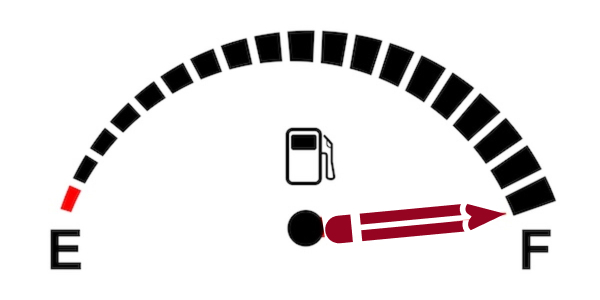
What if you craft a writing life that fills your tank rather than draining it?
To illustrate, let’s look at Atul Gawande, surgeon, public health researcher, and an excellent and prolific writer. (I loved both Being Mortal and The Checklist Manifesto.) How does someone as busy as he is manage to write books and articles, while also doing the high-stress and critical work of his other careers?
In an interview on the How I Write podcast, Gawande suggests that he averages about an hour a day writing. And he has done so since starting his medical career, because writing gives him energy. With that internal energy (and a robust writing process, I’d guess), he is able to achieve great things in small doses.
Can we emulate that?
Writing to Fill Your Tank
We can choose how our writing serves us.
If you believe that writing will be a difficult slog, you’re probably right. If you believe it will fill your tank, that might happen as well. Our expectations become prophecies.
Drafting the revised edition of The Writer’s Process, I found the work rewarding and fulfilling, like solving a glorious puzzle that I could hardly wait to share with the world. I looked forward to immersing myself in it each day. And I kept the sessions short; daily contributions of 60-90 minutes, with only the occasional two-hour day.
Are all aspects of the work fulfilling and energizing? Of course not. Getting the end notes whipped into shape does not fill my tank, so I set guidelines around it, like taking a break every 30 minutes and working in small doses.
The lesson for writers—find the joy in the process while protecting yourself from exhaustion and drag.
What fills your tank?
You already find joy in writing or you wouldn’t be doing it. But it’s easy to let deadlines and ambitions carry us off, leaving the sense of joy waving from a distant shore.
If your work isn’t filling your tank right now or you find yourself feeling burdened, try shifting your approach.
- Lean into the purpose—having a strong purpose offers motivation and reward.
- Look for the fun. Make the writing process a game, treat it like a puzzle.
- Indulge your curiosity and see where it takes you.
Jus as important, avoid working on fumes. When you start to drag, walk away, at least for a while. The writing tank, once drained, can take time to refill.
Unless you’re on a short, necessary sprint, find a sustainable pace that never leaves you drained and bedraggled. When writing becomes an energizing part of your life, you’re less likely to procrastinate or avoid it. And, bonus, the work will be better.
