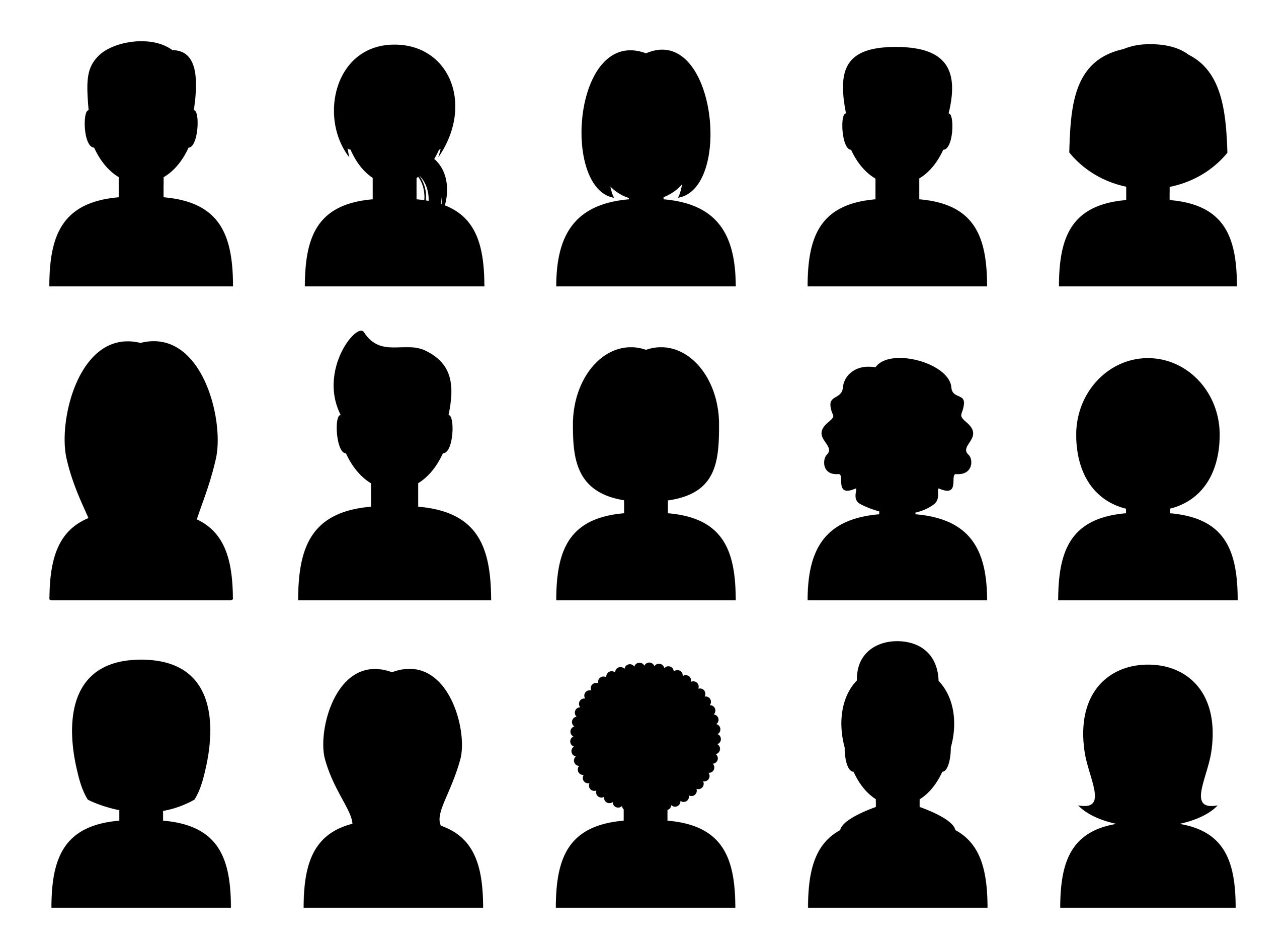
Human beings are abstraction-makers. We love using labels and categories to group things and make sense of the world. The ability to think and speak in abstractions makes modern civilization possible—and saves us time as well.
But categories have a cost. When groups of people become an abstract category, they feel more distant, less human.
Politics have accentuated our differences by labeling people. Trumpers. Trad wives. Tech bros. Liberals. In the wake of the shooting of Renee Good, one commentator tried to coin a new abstraction, AWFUL for Affluent White Female Urban Liberals. I’m not sure that one caught on.
This isn’t new. Name calling has been around forever, and will never go away. But we can, and should, pay attention when we see it.
Using abstract terms for human beings gives cover to our worst behaviors because it makes people seem further from us, less human. Even when a category doesn’t have a negative meaning, it can create distance.
In these divided times, I offer an experiment for you to try: add re-humanize the language.
What happens if we put people first?
First, look at other people’s writing. When you’re reading a blog or article—especially one that gets you riled up—look for the group labels. Then, try replacing each one with “People who” and add a choice or action.
- Protesters are people who protest
- Immigrants are people who have moved to this country
- Trumpers are people who support the president’s policies
Does adding the “people” back into the words open up a sliver of space for our common humanity? The slightest potential for agreement?
Try it in your own writing
Maybe you’re not writing politically charged pieces. We use abstractions for people all the time, often without ill intention.
However, an abstraction hides the individual behind the role. It highlights their difference from us, rather than our commonality.
Try putting people first in anything you write, at least as an experiment.
- Instead of “customers are complaining,” write “people who buy our product are complaining.”
- Instead of “subscribers,” write or say “people who choose to receive my emails or blog posts…”
Does this shift the way you think of the people you’re writing about? Does it spark a moment of empathy?
Efficiency be damned
Clearly, labels and categories are more concise. Your grammar checker may complain. It might sound awkward. Word count will go up.
Sometimes we need to sacrifice efficiency for humanity.
Even if you edit it out after you try it, simply writing this way help you notice dehumanizing language and push back against it.
And if you leave any of these changes in the text, consider it your tiny vote for finding more commonality and agreement in the world.
Related Stuff
Another danger of abstractions? They’re dull. Read the related post Lighten Up with Details.
Watch the video of this on YouTube:
