A small writing experiment
Can using sensory images in your writing increase your creativity? That’s the implication of a study published recently (2025) in the Communications Biology Journal.
Researchers in China found that writers who crafted vivid sensory images—and especially those based on touch—wrote more creative stories.
Is this correlation or causation? I don’t know, and it doesn’t really matter to me. Experimenting with sensory images is an easy, low-risk tactic for enhancing my creativity. Want to experiment with me?
A month of writing sensory images
Here’s the simple experiment:
For the next month, write a sensory description or analogy every day. Go beyond simple visual imagery to the less-common senses, and specifically touch. Examples of touch-based imagery might include:
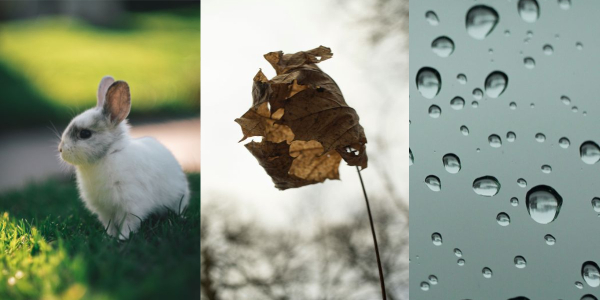
- The texture of a dead leaf in the garden or a rabbit’s fur
- The temperature of the rain or wind on your face
- The sensation of movement, like sliding or falling
- A tightness in the gut or shoulders in a tense situation
You get the idea.
You might incorporate sensory imagery into poems or a character’s experiences in your novel. Or, simply write in a journal.
I’m writing images in my morning pages—a few pages I write just for myself. A journal feels like a safe place to experiment. I usually default to visual observations. I need to practice observing physical sensations, like the way the water feels when I slide into the pool on a cold day, the air on my skin after a rainstorm, the texture of the rosemary sprigs I trimmed for a soup.
If you don’t usually write about sensations, you might find this experiment slow going at first, like starting down a gentle slope on one of those big snow disks, pushing and boosting yourself to get momentum. Eventually, you’ll pick up speed. (And, there’s my attempt at a sensory metaphor!)
Why reach for sensory images?
The researchers theorized that the creativity boost was due to “semantic reorganization”—the way the brain sorts and retrieves information. Since creativity arises from finding fresh connections and associations, accessing a different set of entry points (sensations) is bound to open up more creative options. At least, I think that’s what they’re saying. (Academic writing is tricky.)
Personally, noticing and finding the words for sensations seems like a gentle stretch of my connection-making skills. It feels pleasant, not painful.
Will this experiment work for you? Who can say? But it’s pretty easy if you treat it as a fun challenge. Enhanced creativity would be a great payoff.
