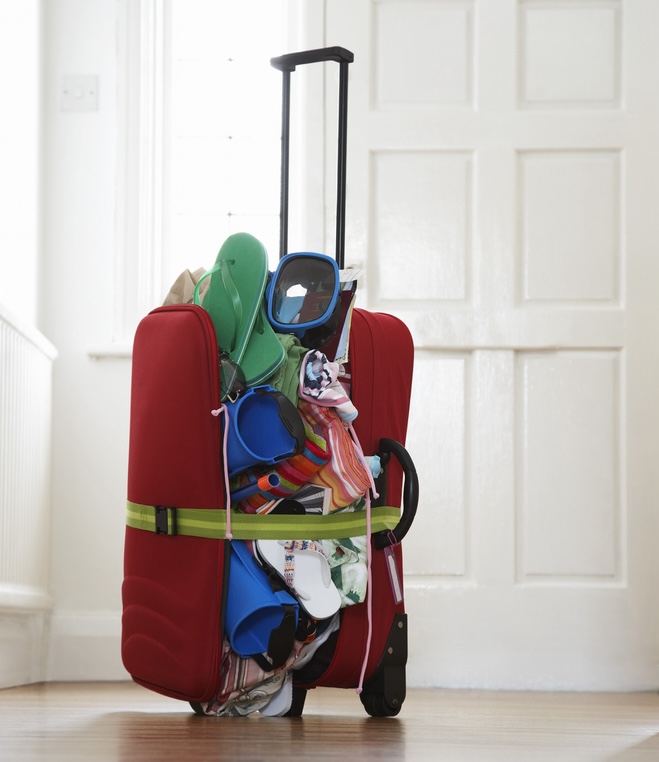
When you go on a trip, how many bags do you take? How heavy is the luggage? How many clean clothes do you bring home unused?
There’s no shame in overpacking—it probably means that you’re good at anticipating all kinds of scenarios and enjoy having options. Beach day? Check. Nice restaurant? Check.
You’re the person everyone turns to when they need an aspirin, a wet-wipe, or some other essential. Go you!
But bringing everything with you has its downsides: sore back, extra baggage fees, and annoying treks dragging bags through airports or hotel lobbies.
Writers can overpack, too
Just as we can try to stuff too much into our suitcases, we can burden the reader with excessive verbiage, content, or detail.
In fiction, overpacking might look like:
- Too much backstory, especially at the start when the reader doesn’t yet care
- Descriptions so detailed that the reader doesn’t get the chance to paint their own images
In nonfiction, overpacking means stuffing in everything the reader might possibly need: all the great points, stories, and insights. Some expert authors try to cover everything they know in a book intended for a general audience. Academics love to cite endless studies and offer every single point supporting their argument.
The danger? The reader feels overwhelmed or bored and moves on. And there you are, metaphorically at the airport with your stuffed baggage, and the flight has already left.
Before you embark on a 120,000-word tome, take a moment to think about the trip your reader needs.
Pack for the reader’s trip
When packing for a weekend, you might bring only a lightweight bag that fits into the overhead bin on a plane. For a longer trip with diverse activities or unpredictable weather, you might check a large suitcase.
Each has its use, but they are not interchangeable.
Similarly, what kind of reading journey are you offering the reader? What are they likely to sign up for?
If you’re writing a comprehensive guide to a complicated topic, you’ll pack it full of content. But make it as easy as possible for people to navigate the work and use it as a reference. (Kind of like living out of a trunk.)
If your audience is distracted, pressed for time, or feeling a little busy (and who isn’t?), pare down the packing. In nonfiction, help them find and internalize the key message. In fiction, offer enough detail to enlist their imaginations in constructing the world, rather than describing it in painstaking detail. Rein in your packing instincts.
Editing overpacking tendencies
If you suspect you may be loading up the reader with too much, ask yourself a few questions:
- Does the reader really need everything here?
- Would they prefer a shorter version or a subset of this content? Do they even have the time or attention for everything here?
- How much of this are they likely to remember (for nonfiction writers)?
See if these questions change your mind about the format, scope, or word count of your work.